


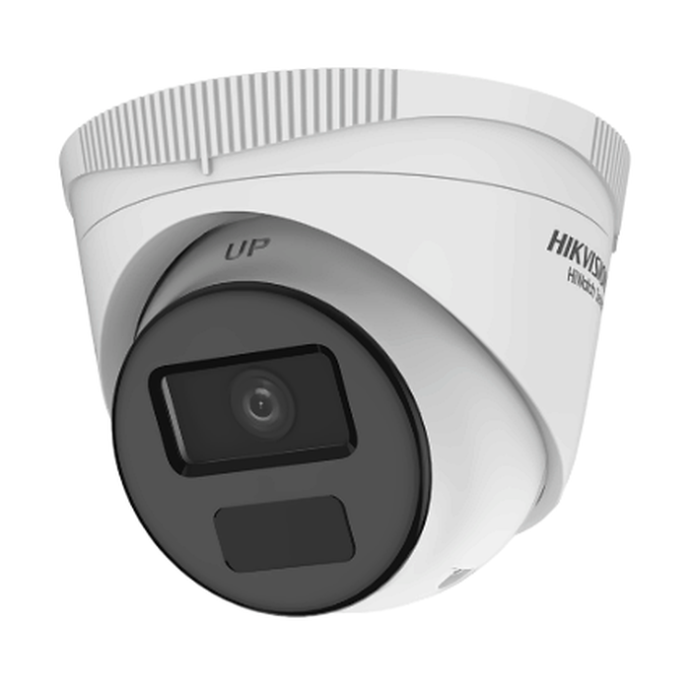
HWI-T221H-C (2.8 mm)
IP Turret camera with PoE, a fixed 2.8 mm lens and 20 m infrared range.
View camera →
Find the right solution for the connection type, resolution and camera format required by your project. Compare IP and hybrid systems, choose Turret or Bullet cameras and complete the installation with a suitable recorder.
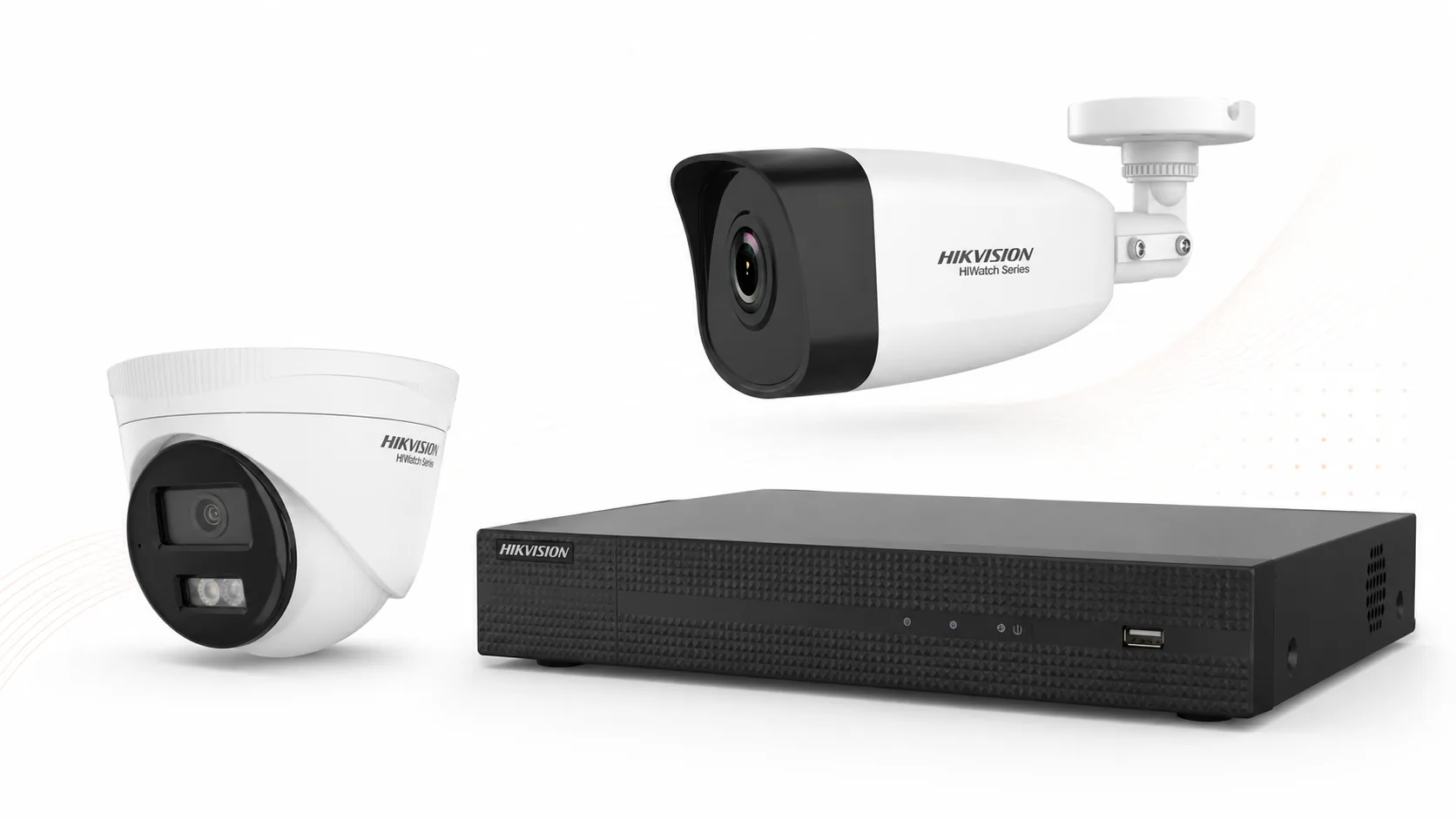
Make this decision before choosing the cameras and recorder, as it determines the cabling, power supply, scalability and type of video recorder required.


IP Turret camera with PoE, a fixed 2.8 mm lens and 20 m infrared range.
View camera →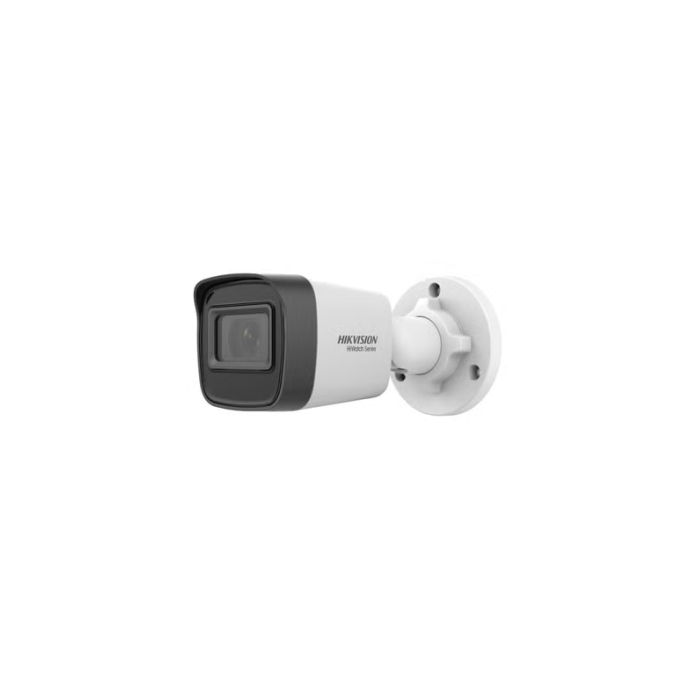
Cost-effective outdoor Full HD IP Bullet camera with a fixed 2.8 mm lens and 20 m IR range.
View camera →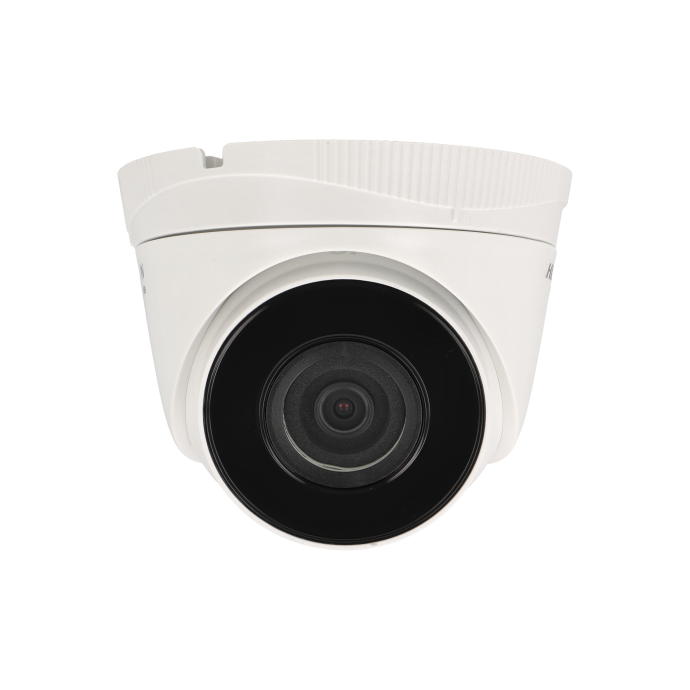
IP Turret camera with human and vehicle detection and a 30 m IR range.
View camera →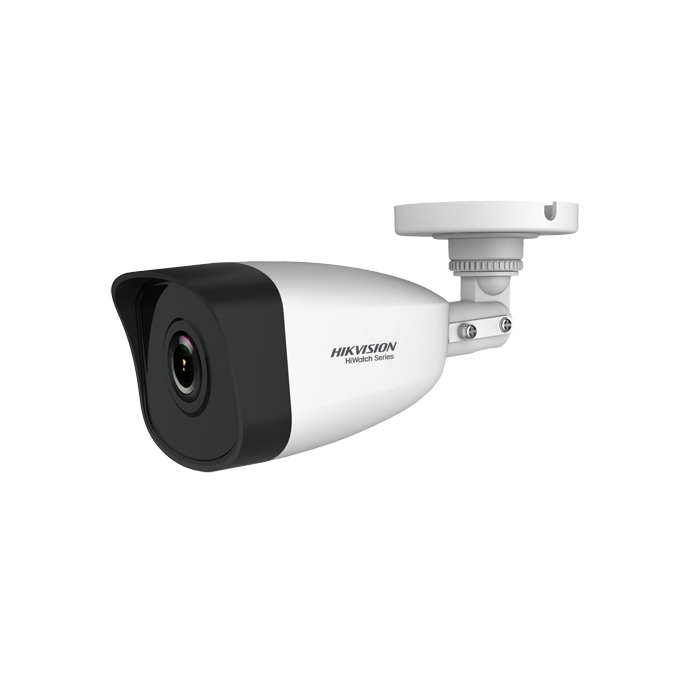
4 MP IP Bullet camera with smart detection and IP67 outdoor protection.
View camera →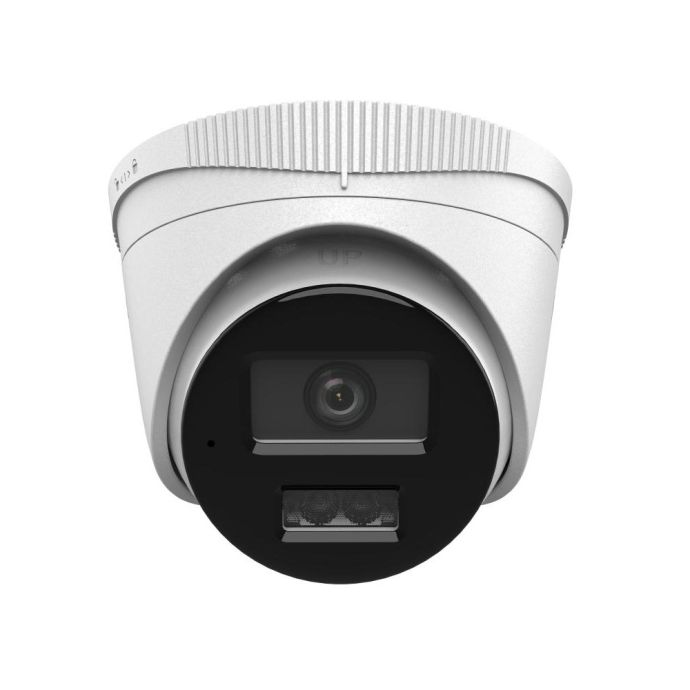
4K IP Turret camera with hybrid illumination, microphone and motion detection.
View camera →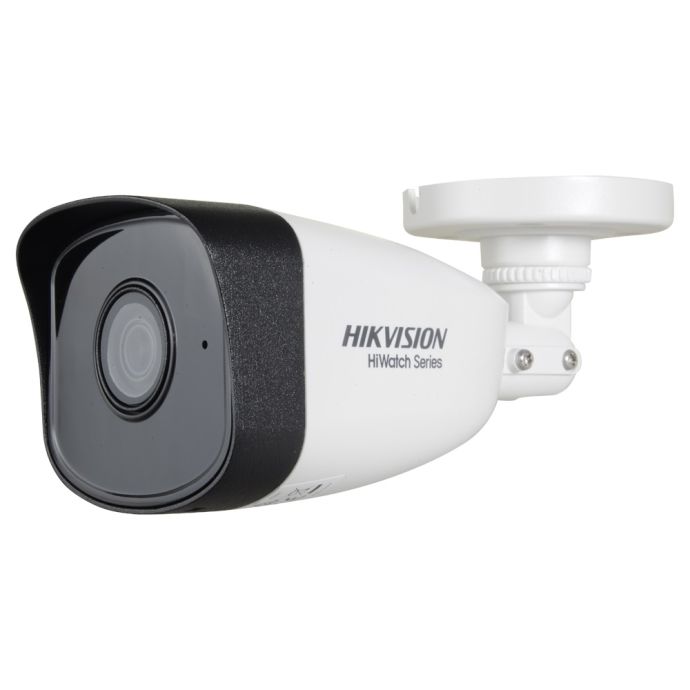
4K IP Bullet camera with a fixed 2.8 mm lens, 30 m IR range and IP67 protection.
View camera →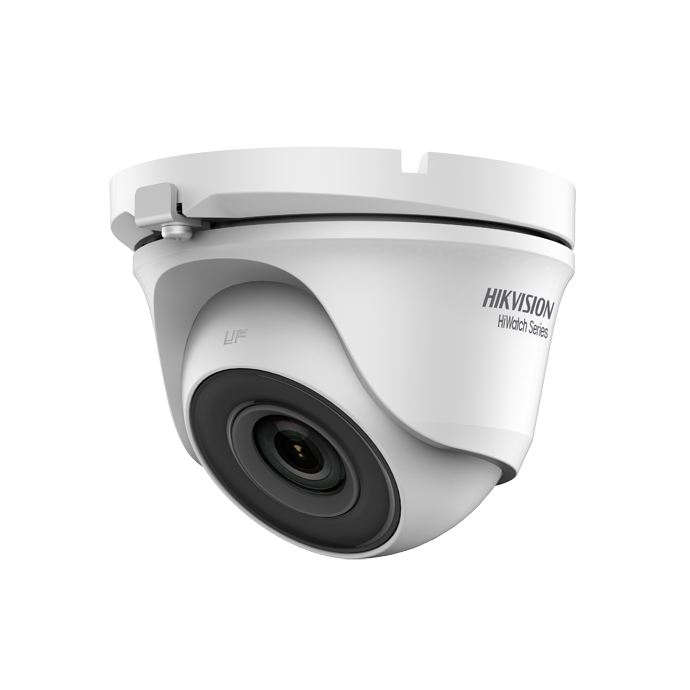
4-in-1 hybrid Turret camera with a 2.8 mm lens and 20 m IR range.
View camera →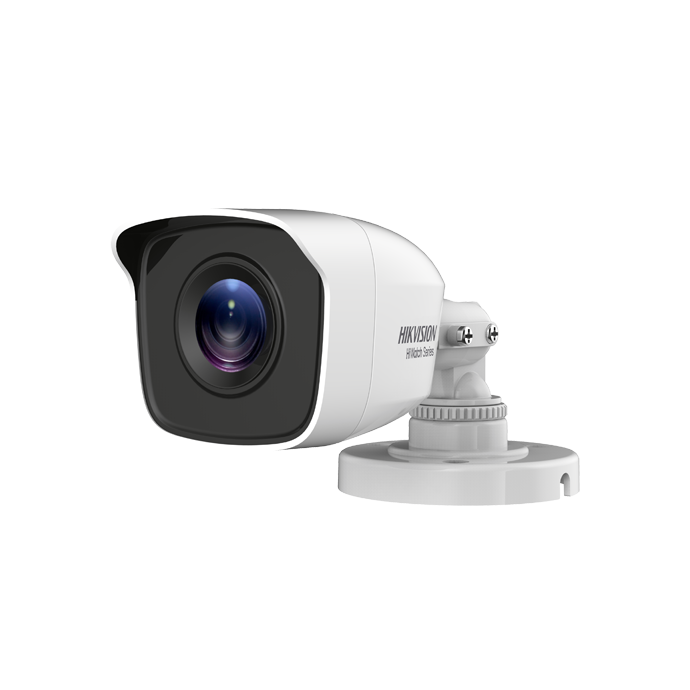
2 MP hybrid Bullet camera with a fixed 2.8 mm lens and 30 m IR range.
View camera →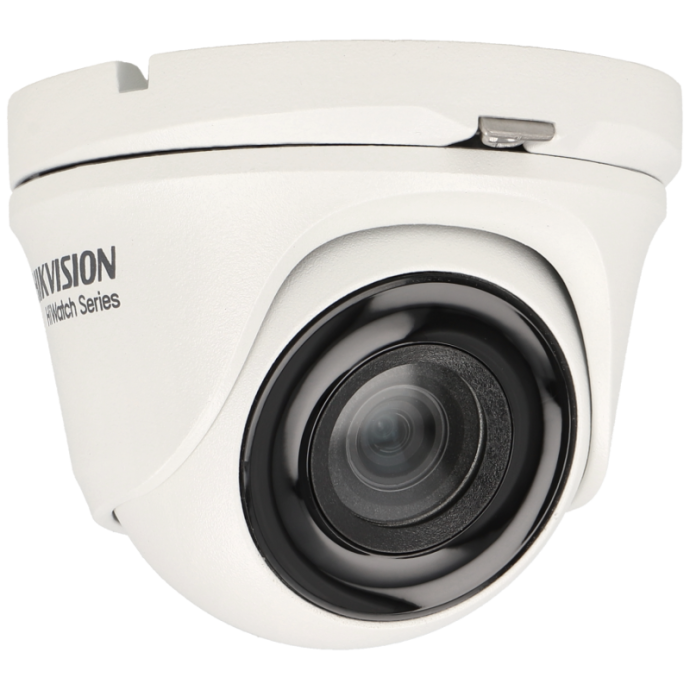
5 MP 4-in-1 hybrid Turret camera with a fixed lens and 20 m IR range.
View camera →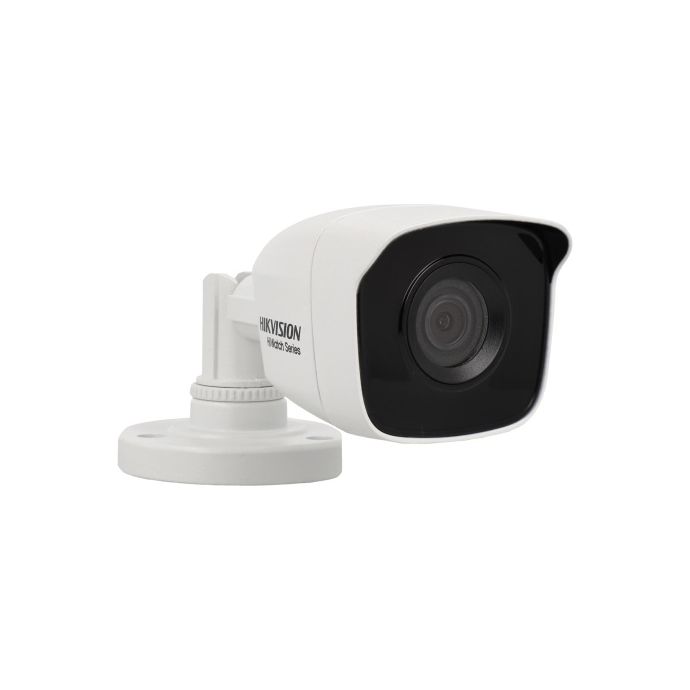
5 MP 4-in-1 hybrid Bullet camera for coaxial-based installations.
View camera →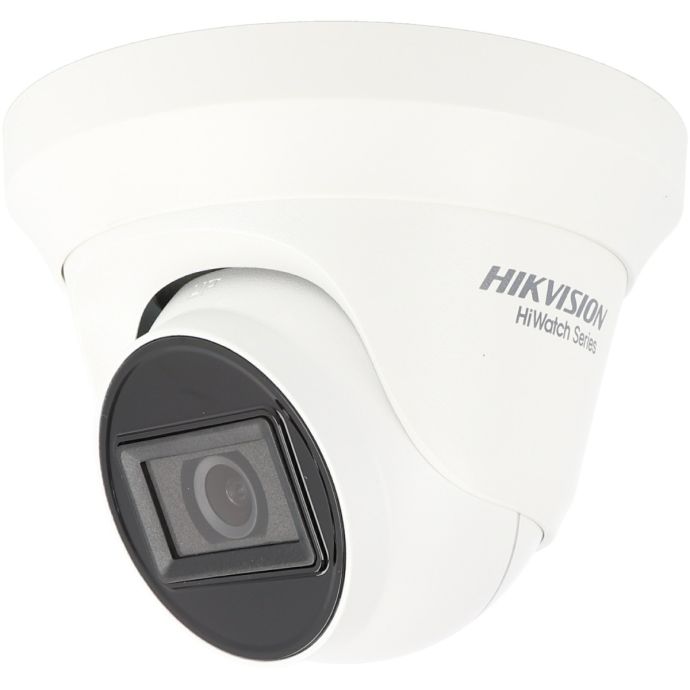
PRO-series 4K 4-in-1 hybrid Turret camera with an IR range of up to 30 m.
View camera →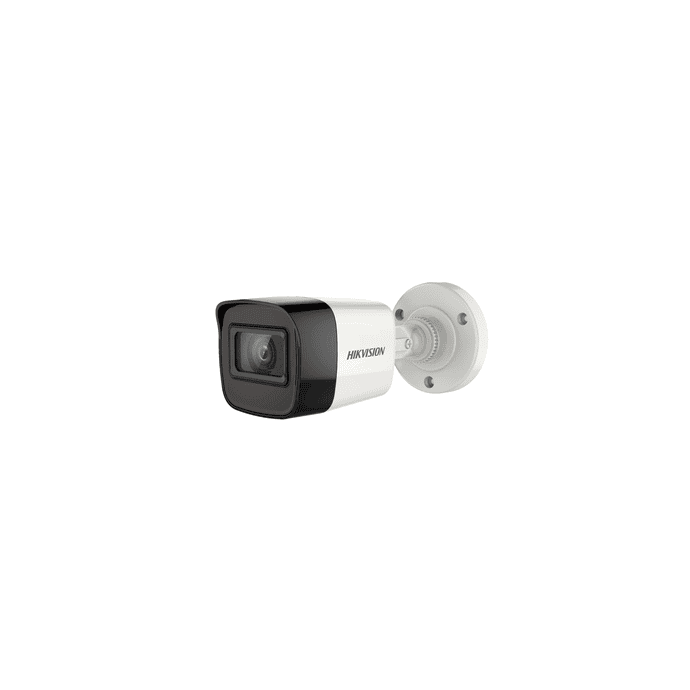
Value-series 4K hybrid Bullet camera with a 30 m IR range and IP67 protection.
View camera →Includes IP and hybrid models in different resolutions and formats.
Learn more about Hikvision cameras with full-color night vision
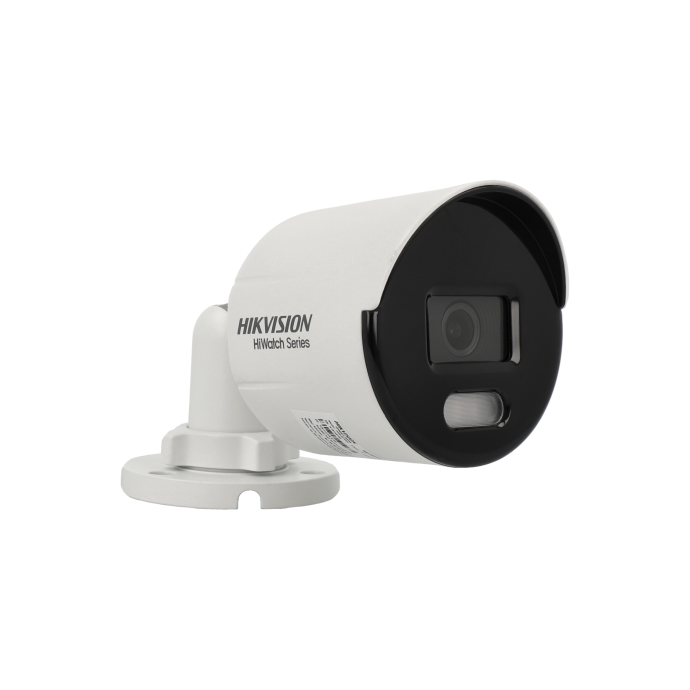
ColorVu IP Bullet camera with PoE and colour night vision.
View ColorVu →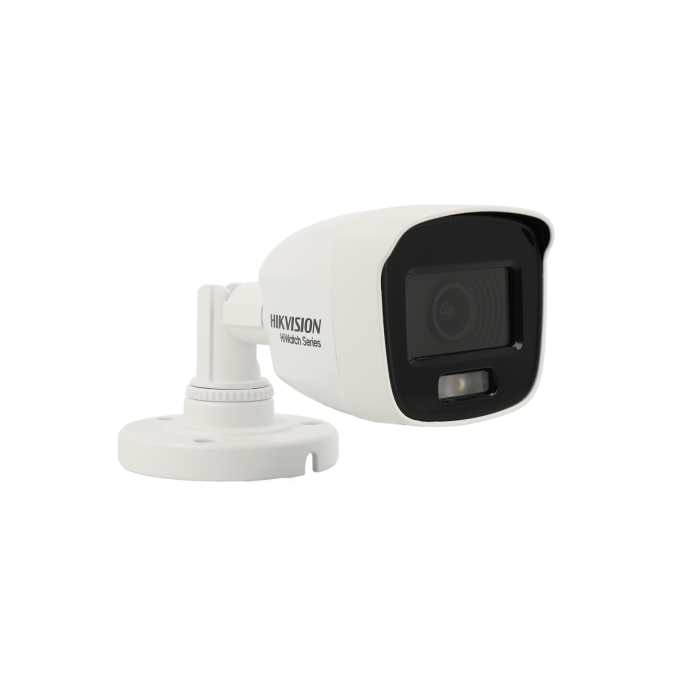
4-in-1 ColorVu camera with a fixed 2.8 mm lens and white light.
View ColorVu →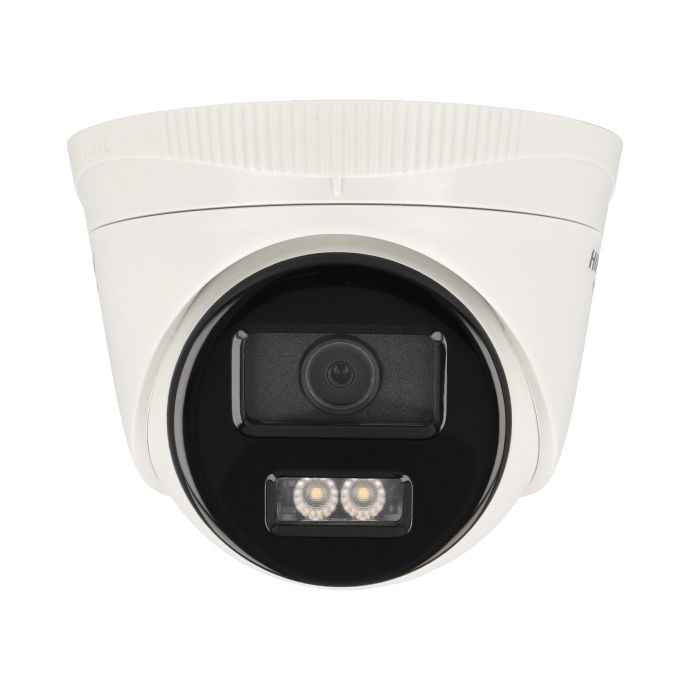
ColorVu Turret camera with PoE, a 2.8 mm lens and a 30 m range.
View ColorVu →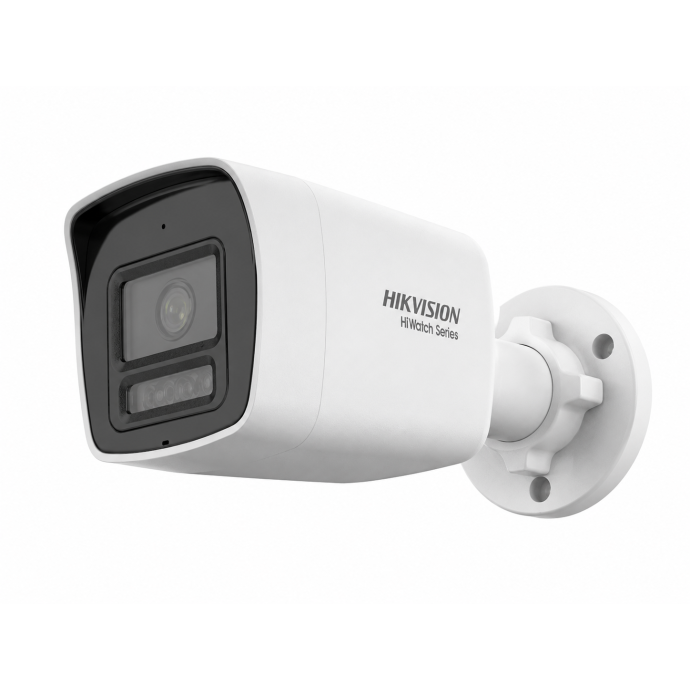
ColorVu 3.0 with HikAI-ISP, Motion Detection 3.0 and a built-in microphone.
View ColorVu →Choose the recorder according to the planned number of cameras and the maximum system resolution.
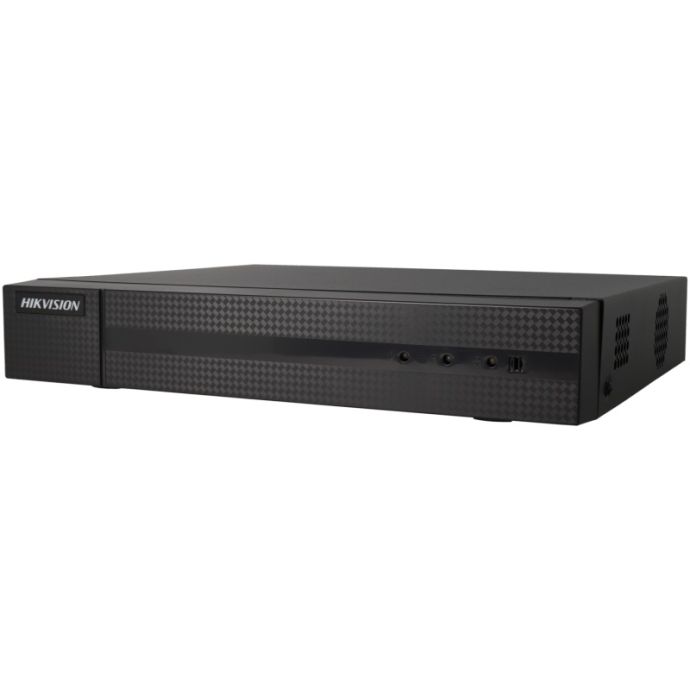
An entry-level option for IP systems with up to 4 cameras. It includes four PoE ports, H.265+ compression and space for one hard drive.
View recorder →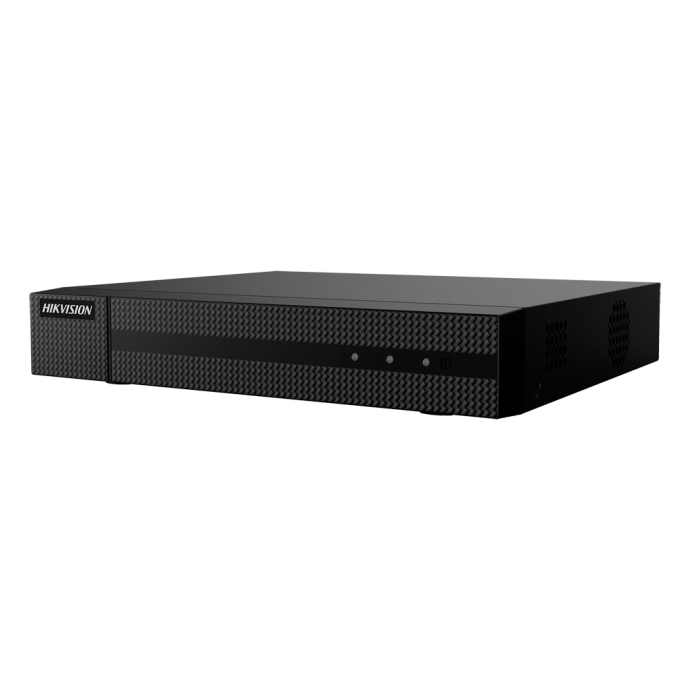
Recommended for IP installations with up to 8 cameras in 2 and 4 MP configurations, with integrated PoE on every channel.
View recorder →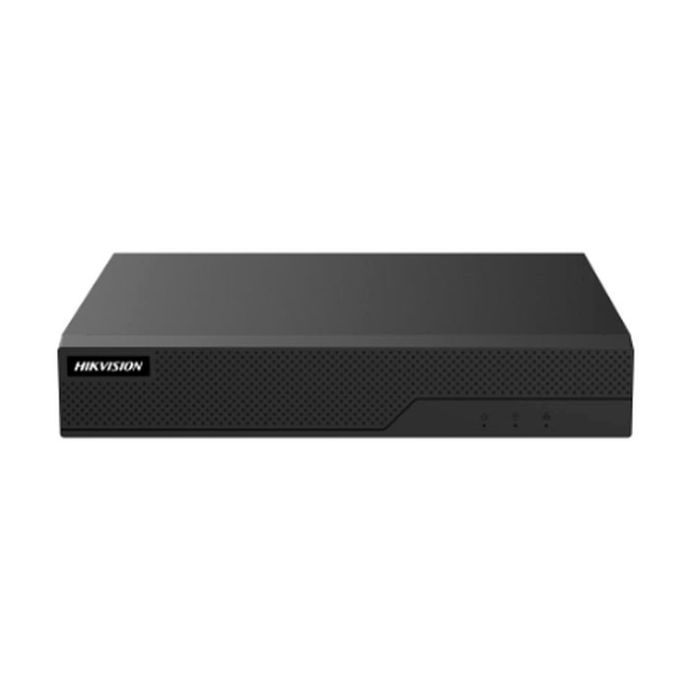
For compact, high-resolution projects: up to 4 IP cameras, integrated PoE, support for 8 MP recording and 4K video output.
View recorder →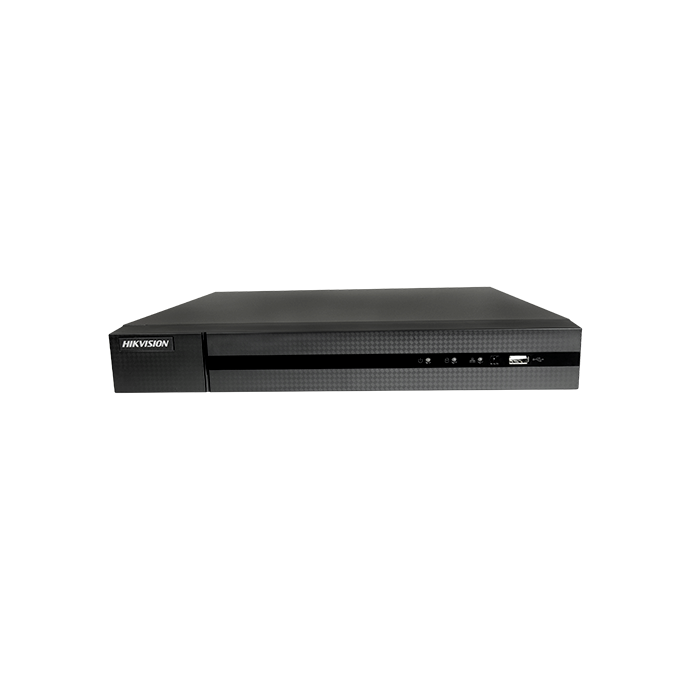
A suitable option for IP installations with up to 8 cameras at 8 MP, featuring 80 Mbps bandwidth, eight PoE ports and 4K HDMI output.
View recorder →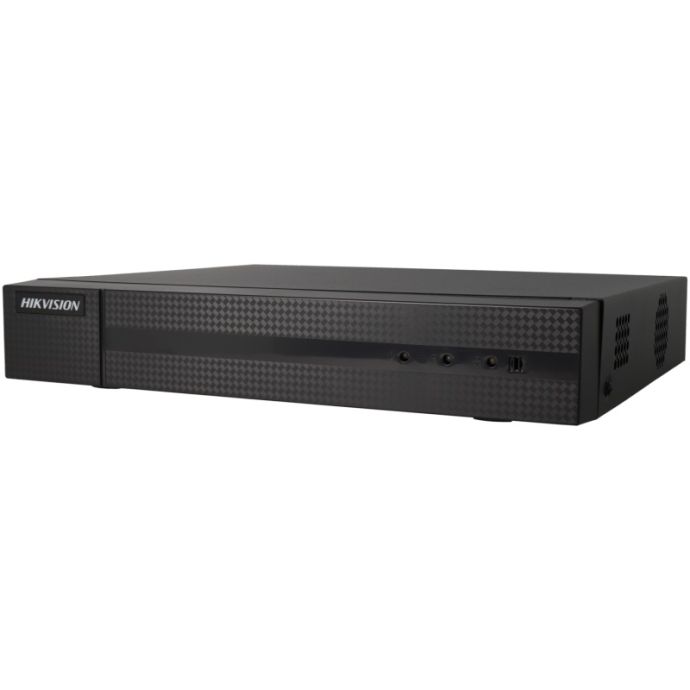
Recommended for 4-camera hybrid configurations at 2 MP. It features 5-in-1 technology, Motion Detection 2.0 and expansion through additional IP channels.
View recorder →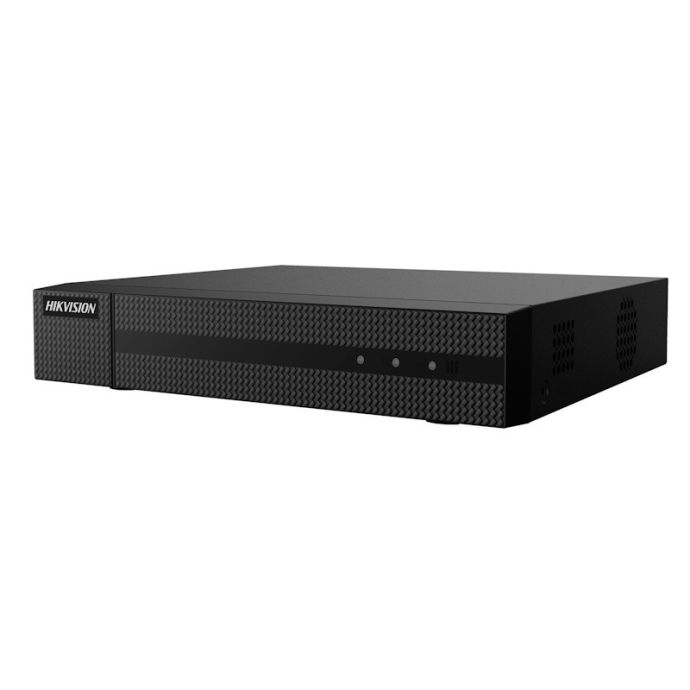
For hybrid systems with up to 8 cameras at 2 MP, including two additional IP channels and human/vehicle classification.
View recorder →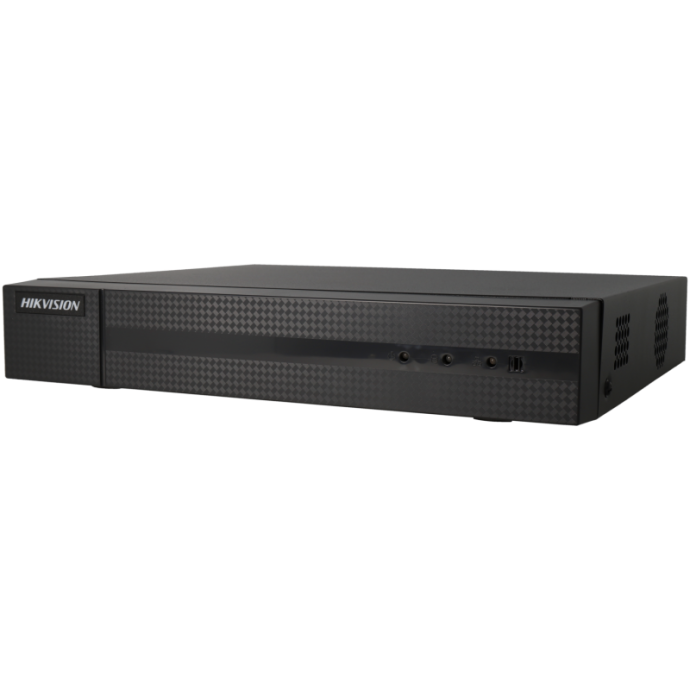
It provides eight BNC inputs, 5-in-1 operation and additional IP channels.
View recorder →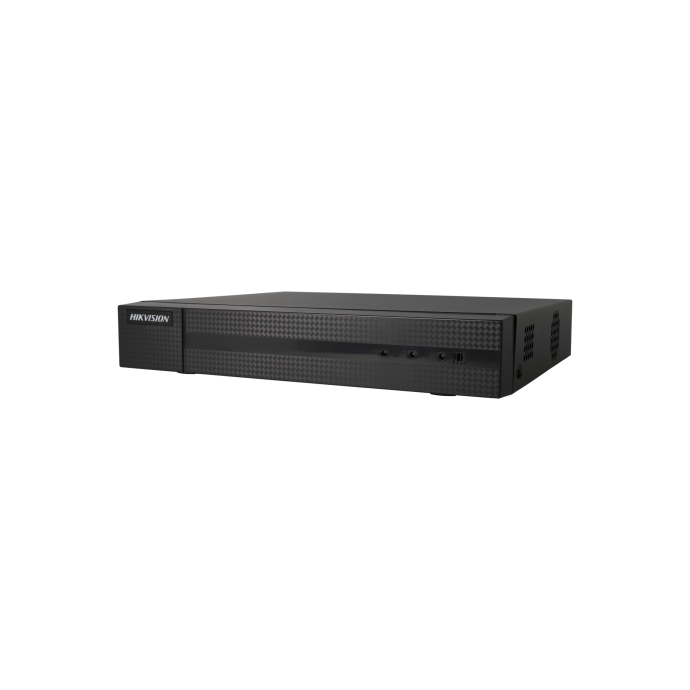
For 4-camera hybrid projects with resolutions of up to 8 MP. It supports four BNC inputs, four IP channels and a hard drive of up to 10 TB.
View recorder →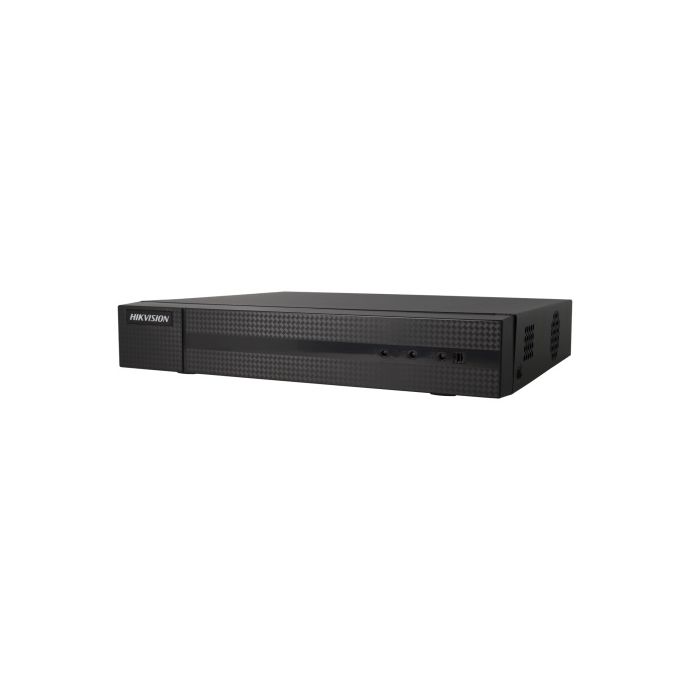
A featured option for up to 8 hybrid cameras at 8 MP, with four additional IP channels and human/vehicle classification.
View recorder →
Check whether it is a new UTP installation or an upgrade that will reuse coaxial cable.

Define the surveillance points, required coverage, indoor areas and outdoor perimeters.

Choose between 2, 4, 5 or 8 MP and select Turret, Bullet or Dome cameras according to the environment.

Choose an NVR or DVR with enough channels, the required supported resolution and suitable hard-drive capacity.

Check PoE, 12 V power supplies, power consumption, cable distances and compatibility between devices.

First tell us whether the installation will be IP or hybrid, how many cameras are required, the desired resolution, cable distances and the number of recording days. With this information, we can review the cameras, recorder, power supply and storage.
An IP installation uses network cameras and normally an NVR, while a hybrid installation usually reuses coaxial cable and works with 4-in-1 cameras and a DVR. IP systems offer greater scalability, while hybrid systems can reduce costs when upgrading an existing installation.
2 MP may be sufficient for general surveillance; 4 or 5 MP provides greater detail, while 8 MP is suitable when 4K images or the identification of small details across wide scenes is required.
Turret cameras offer a compact, discreet design and are commonly installed on ceilings or façades. Bullet cameras are more visible, easy to aim and often work well as a deterrent around outdoor areas and perimeters.
ColorVu is designed to retain colour information in very low-light conditions. Depending on the model, it may use high-sensitivity sensors, wide apertures and white light or smart hybrid illumination.
After choosing the cameras, check the recorder, power supply, storage and accessories required to complete the CCTV system.
Carry data and power through the same cable in IP video surveillance systems.
View PoE equipment →Choose the right capacity according to the number of cameras, resolution and recording days.
View hard drives →Simplify mounting, protect connections and improve the final finish of the installation.
View mounts →Explore bundled solutions for projects that require a quick equipment selection.
View kits →